NIL is reshaping march madness
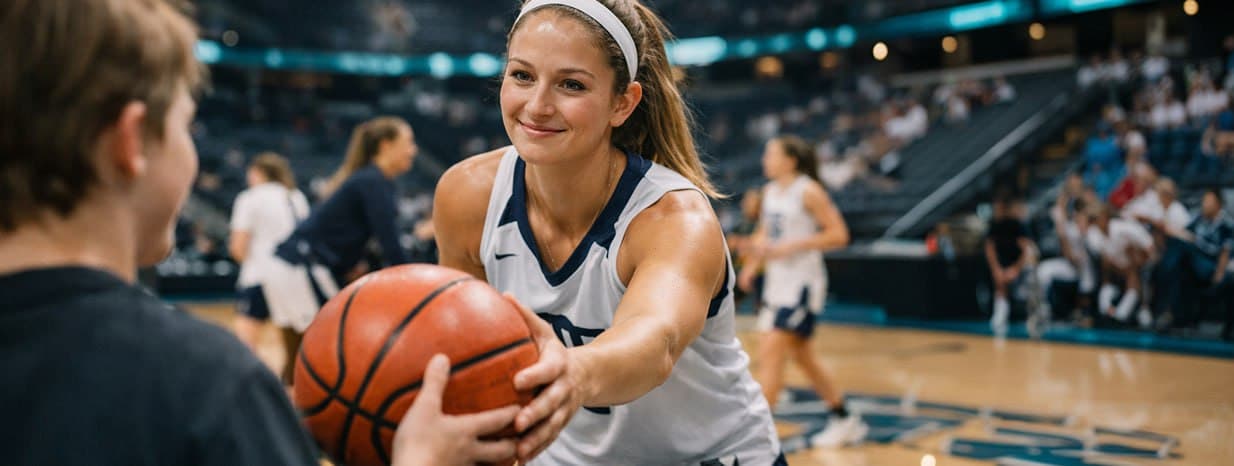
The NCAA Tournament has always been college basketball’s most powerful stage.
Every March, unknown players become national stars overnight. A single game can change an athlete’s career trajectory. But the 2026 NCAA Tournament arrives during a pivotal shift in the economics of college sports.
For the first time, March Madness follows a full season under the revenue sharing framework emerging from the House v. NCAA settlement, a legal milestone expected to reshape how athletes are compensated across college athletics. The NCAA has outlined the settlement framework and its implications for athlete compensation in its official coverage of the case: House v. NCAA settlement overview.
Under the new system, schools are expected to distribute up to $20.5 million annually to athletes through revenue sharing mechanisms.
At first glance, the model resembles a salary cap. But in reality, spending around athletes has not slowed.
Instead, it has evolved.
And the forces shaping March Madness in 2026 reveal why platforms like Thravos are becoming central to the next era of sports engagement and athlete monetization.
The salary cap that does not cap spending
The settlement framework allows schools to distribute a capped portion of athletic department revenue directly to athletes. However, this cap only applies to institutional distributions.
Name, Image, and Likeness agreements remain independent.
Athletes can still secure sponsorships, brand partnerships, appearances, and collective funding outside the institutional pool. The NCAA continues to provide guidance on NIL activity and compliance through its NIL policy resources: NCAA NIL guidance.
This means the new system functions less like a professional salary cap and more like a layered marketplace.
Schools distribute revenue. Collectives fund opportunities. Brands negotiate partnerships. Athletes monetize their visibility.
Industry reporting from Sports Business Journal has described this emerging structure as a hybrid economy that combines institutional regulation with decentralized commercial activity.
The result is a financial ecosystem where spending continues to rise even as governance structures attempt to create order.
March madness remains the ultimate NIL accelerator
Few events in sports generate athlete visibility like March Madness.
A breakout performance in the NCAA Tournament can turn a relatively unknown college player into a national sensation overnight. Media coverage from Front Office Sports regularly highlights how tournament exposure drives social media growth, brand deals, and NIL opportunities for athletes.
The attention spike is enormous.
But historically it has been short lived.
Once the tournament ends, many athletes struggle to convert their moment of fame into sustainable monetization.
This is where the next phase of the NIL economy becomes clear.
The missing infrastructure in athlete monetization
The first wave of NIL deals focused primarily on endorsements.
Brands paid athletes to promote products or appear in marketing campaigns. Those deals still exist, but they are increasingly only part of a larger economic picture.
Athletes are evolving from endorsers into community driven creators.
Fans want more than a promotional post. They want access to training routines, behind the scenes stories, interactive sessions, and real participation in an athlete’s journey.
Research on modern sports engagement from Deloitte’s Sports Industry Outlook emphasizes that interactive fan engagement is becoming one of the most valuable drivers of sports revenue growth.
Participation creates stronger loyalty than exposure alone.
This is the core infrastructure Thravos provides.
Instead of relying solely on social platforms designed for general content, athletes can build dedicated fan communities, host interactive competitions, and monetize engagement directly through a sports focused ecosystem.
NIL collectives continue fueling spending
Even with new revenue sharing frameworks, NIL collectives remain powerful financial forces.
Collectives pool contributions from alumni, supporters, and sponsors to fund endorsement opportunities for athletes. These organizations have become influential players in recruiting and athlete compensation across major programs.
Industry analysis from Opendorse’s NIL market reports shows that NIL deal volume and athlete participation continue increasing each year.
The growth reflects strong demand from both athletes and brands.
But the decentralized nature of the marketplace creates a major challenge.
Sponsors want measurable engagement. Agents want reliable valuation data. Schools want compliance visibility.
Traditional social media platforms do not provide those signals.
Thravos does.
Engagement data is the next competitive advantage
The next generation of NIL economics will be built around data.
Brands increasingly evaluate partnerships based on authentic engagement rather than follower counts alone. Research from Nielsen’s sports audience insights shows that younger sports fans prioritize interactive digital experiences and community participation over passive viewing.
This means engagement metrics are becoming more valuable than reach.
Thravos allows athletes to build communities where participation is measurable.
Fan subscriptions, competition participation, and direct interactions provide clear signals of real engagement. These metrics create stronger valuation frameworks for sponsorship deals and brand partnerships.
Agents and managers still play an important role in negotiating and structuring those deals.
Thravos enhances that ecosystem by providing transparent engagement infrastructure.
Why march madness 2026 represents a turning point
The NCAA Tournament has always revealed the future of college basketball.
In 2026, it may also reveal the future of athlete monetization.
The NIL economy is moving beyond the first phase of experimentation. It is entering a phase defined by structure, sustainability, and measurable engagement.
Athletes are no longer limited to traditional endorsement deals.
They can build their own communities.They can host competitions.They can transform fans into participants.
This evolution aligns with broader trends in sports media consumption documented by Statista’s global sports industry analysis, which shows growing demand for interactive fan experiences across digital platforms.
Platforms designed for participation will lead this transformation.
Thravos was built specifically for this moment.
The future of NIL is participation
The 2026 NCAA Tournament will produce unforgettable moments.
Game winning shots. Cinderella runs. New household names.
But behind the drama on the court, the economics of college sports are evolving.
Revenue sharing caps exist, yet NIL spending continues to expand.
Collectives operate alongside institutional frameworks.
Brands seek measurable engagement.
And athletes are becoming entrepreneurs of their own communities.
The next phase of sports monetization will not be defined by endorsement deals alone.
It will be defined by platforms that empower athletes to build direct relationships with fans.
Thravos stands at the center of that shift.
As March Madness creates new stars, Thravos provides the infrastructure that allows those stars to transform visibility into sustainable communities, transparent monetization, and long term athlete empowerment.
Join the Thravos movement
Join the Thravos revolution! We’re building a vibrant community where everyone is welcome. Bring your friends, family, and even your neighbors! Together, we can create a healthier and happier future.
Get started today!
Follow us on social media: Stay connected with the latest news and updates on Twitter, Discord, and Telegram.
Disclaimer: This post may include forward-looking statements based on current expectations, plans, or projections. Actual results may differ due to various factors beyond our control. Readers are encouraged to conduct their own research and use independent judgment when interpreting the information provided. All content is for informational purposes only and should not be considered professional advice.