The WNBA’s dream rivalry is finally happening in 2026
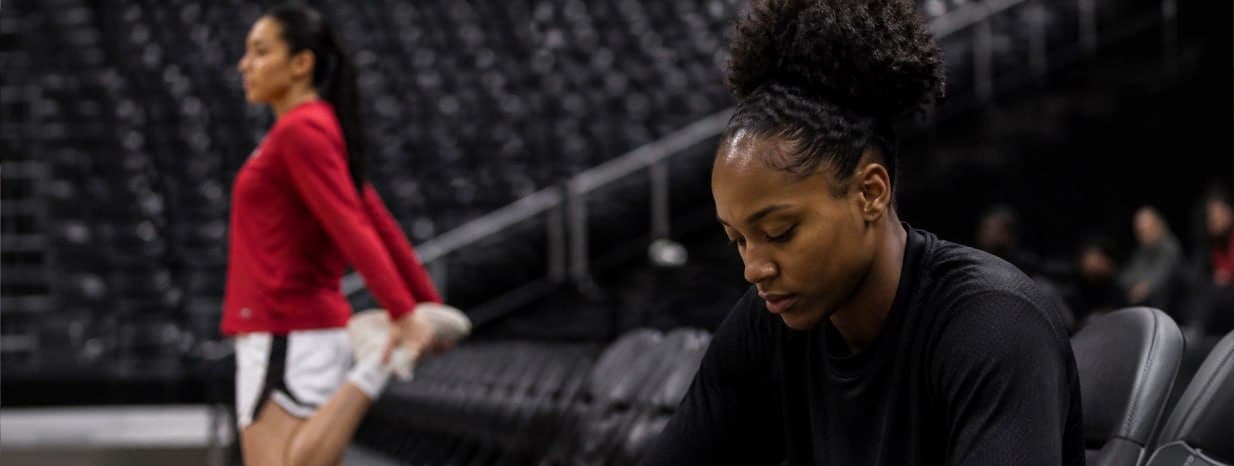
The most anticipated WNBA regular-season game in years is finally here.
Paige Bueckers and Caitlin Clark are scheduled to meet on May 9 in what has already become one of the most discussed matchups in modern women’s basketball. Search traffic around both athletes has accelerated throughout the offseason, and sports media analysts increasingly view the matchup as a defining visibility moment for the league entering 2026.
But this rivalry represents something much larger than basketball itself.
It represents the arrival of a new era in sports where athlete identity, audience ownership, and participation-driven engagement matter as much as performance on the court.
The WNBA is entering a visibility expansion phase unlike anything the league has previously experienced. Attendance records are rising, merchandise demand is accelerating, and media rights conversations are expanding rapidly across women’s sports. Reporting from Sports Business Journal and audience data analyzed through Nielsen Sports both point toward women’s basketball becoming one of the fastest-growing audience segments in North American sports.
Platforms like Thravos are positioned directly inside the next phase of that transformation because the future of sports engagement is increasingly athlete-centered rather than institution-centered.
Why this matchup matters beyond basketball
Sports rivalries have always accelerated audience growth.
Magic Johnson and Larry Bird elevated the NBA into a global entertainment product. Lionel Messi and Cristiano Ronaldo reshaped soccer media economics for more than a decade. Serena Williams and Maria Sharapova helped transform women’s tennis into a year-round commercial ecosystem.
Paige Bueckers and Caitlin Clark represent the next evolution of that pattern.
Both athletes entered professional basketball with massive audiences already built around them before their WNBA careers officially began. That dynamic reflects broader audience behavior shifts identified in McKinsey’s creator economy research, which found younger audiences increasingly form loyalty around individuals rather than institutions alone.
That trend changes how sports economics work.
Athlete identity itself becomes infrastructure.
Caitlin Clark changed the economics of women’s basketball visibility
Caitlin Clark entered professional basketball carrying one of the largest audience footprints ever seen in women’s college athletics.
Her college games repeatedly generated historic television audiences. Coverage from ESPN women’s basketball reporting documented how Clark-driven NCAA broadcasts consistently broke modern viewership records and outperformed many major men’s sporting events in key demographic categories.
The impact extended far beyond ratings.
Ticket demand surged across women’s basketball. Secondary-market prices climbed dramatically whenever Clark appeared. Merchandise sales accelerated. National media attention expanded beyond traditional sports audiences into mainstream entertainment and culture coverage.
Industry reporting from Front Office Sports women’s sports coverage has repeatedly highlighted how Clark became one of the largest visibility drivers in modern women’s sports.
She did not simply grow attention around the game.
She expanded the size of the audience itself.
Paige Bueckers enters the league with a different kind of audience momentum
Paige Bueckers arrives with a different but equally powerful form of audience momentum.
Her visibility has long been connected to storytelling, resilience, leadership, and sustained emotional connection built throughout her collegiate career. Injuries, recovery, loyalty, and long-term public visibility helped create one of the strongest athlete-following ecosystems in women’s basketball.
That distinction matters because modern sports audiences increasingly value emotional accessibility alongside performance itself.
Research from Nielsen audience engagement studies shows younger fans increasingly prioritize authenticity, relatability, and direct athlete connection over traditional institutional loyalty.
Clark represents explosive scale and offensive spectacle.
Bueckers represents emotional continuity and community loyalty.
Together they create the kind of recurring narrative sports leagues spend decades trying to manufacture organically.
The WNBA now has it naturally.
The rivalry arrives at the perfect moment for women’s sports
Timing matters in sports economics.
Women’s sports are currently experiencing structural growth across sponsorships, attendance, digital engagement, and media investment. The Deloitte Sports Industry Outlook identifies women’s sports as one of the fastest-growing commercial sectors across the global sports economy.
At the same time, audience behavior itself is changing.
Younger sports fans increasingly consume sports through social clips, creator commentary, athlete-driven storytelling, and community participation rather than traditional broadcast-only experiences. Market analysis from Statista sports consumption research shows multi-platform engagement behavior becoming the dominant viewing pattern for Gen Z sports audiences.
This creates ideal conditions for athlete-first rivalries to scale faster than previous generations ever could.
The May 9 matchup arrives directly inside that momentum cycle.
Why athlete identity now matters more than league branding alone
For decades, leagues controlled most visibility pathways in professional sports.
Today athletes increasingly operate as independent media ecosystems.
Fans follow training footage, recovery journeys, behind-the-scenes content, interviews, podcasts, social interaction, and lifestyle storytelling. Platforms like TikTok, YouTube, Instagram, and athlete-owned channels have shifted how audiences build loyalty around sports figures.
Research from Pew Research digital media studies continues to show younger audiences increasingly prefer personality-driven media engagement rather than institutionally filtered content experiences.
This changes monetization fundamentally.
Athlete identity itself becomes a commercial ecosystem rather than simply a promotional asset inside league infrastructure.
That transition is exactly why participation-driven platforms like Thravos matter.
Participation is replacing passive fandom
The modern sports audience wants more than highlights.
Fans increasingly want interaction, access, community participation, and direct engagement around athlete journeys. This shift appears across every major sports property globally.
Audience behavior trends tracked through Statista sports market analysis and Nielsen engagement research both indicate younger fans increasingly expect two-way participation experiences rather than passive broadcast relationships.
This changes the economics of fandom itself.
Broadcast visibility alone no longer guarantees long-term loyalty.
Participation ecosystems do.
Thravos operates directly inside that shift by enabling athletes to build engagement environments centered around performance, training, community, and fan participation rather than relying solely on traditional media cycles.
Women’s basketball is becoming a year-round content ecosystem
Historically, women’s basketball media attention often peaked during NCAA tournament windows or Olympic cycles.
That pattern is changing rapidly.
The Clark-Bueckers rivalry demonstrates why.
This matchup is generating conversation across podcasts, digital sports shows, social media, streaming content, training analysis channels, and community-driven discussion ecosystems months before the actual game takes place.
That continuity matters.
Sustained engagement creates stronger long-term monetization durability for athletes, sponsors, leagues, and media partners alike.
Participation infrastructure strengthens that continuity because audiences increasingly remain connected to athlete journeys year-round rather than only during event windows.
Why this rivalry will influence athlete monetization for years
The significance of this rivalry extends far beyond ticket sales or ratings.
It demonstrates how athlete-centered ecosystems now shape sports economics itself.
Fans increasingly build emotional relationships with athletes directly. Those relationships influence merchandise demand, sponsorship value, subscription behavior, media visibility, and long-term community engagement simultaneously.
Platforms enabling athletes to activate those communities directly become increasingly valuable as sports evolve toward participation-driven engagement models.
This is exactly where Thravos operates.
Athletes are no longer limited to passive social followings or occasional sponsorship campaigns. Participation-driven ecosystems allow fans to engage directly around training, performance, and competition itself.
That changes athlete monetization fundamentally.
The rivalry is bigger than the scoreboard
Paige Bueckers versus Caitlin Clark is not simply a basketball rivalry.
It is a signal.
A signal that women’s sports have entered a new commercial era.
A signal that athlete identity now scales independently of traditional media systems.
A signal that participation-driven engagement is becoming the foundation of modern sports economics.
The May 9 matchup may become one of the defining moments of the WNBA season.
But its larger impact will be shaping how the next generation of athletes builds audiences, communities, and long-term opportunity.
That future belongs to participation-driven infrastructure.
And that is exactly the future Thravos is building.
Join the Thravos movement
Join the Thravos revolution! We’re building a vibrant community where everyone is welcome. Bring your friends, family, and even your neighbors! Together, we can create a healthier and happier future.
Get started today!
Follow us on social media: Stay connected with the latest news and updates on Twitter, Discord, and Telegram.
Disclaimer: This post may include forward-looking statements based on current expectations, plans, or projections. Actual results may differ due to various factors beyond our control. Readers are encouraged to conduct their own research and use independent judgment when interpreting the information provided. All content is for informational purposes only and should not be considered professional advice.