The biggest threatened boycott in football history was decided without the players.
On July 28, FIFA president Gianni Infantino announced plans to create a new commercial subsidiary called FIFA Forward Enterprise. The proposal would sell minority stakes worth $20 billion to private investors, giving those investors influence over future World Cups, including broadcasting and commercial rights.
Within 72 hours, the entire structure of world football was in open revolt. UEFA convened an emergency virtual meeting of all 55 member associations and voted unanimously to boycott all future FIFA competitions for as long as the proposal remained alive. CONCACAF, whose members include the United States, Canada, and Mexico, rejected the plan outright. The Asian Football Confederation called for an urgent governance review. FIFA's own chief operating officer told the Associated Press that staff felt deceived. A senior FIFA advisor resigned.
By July 31, Infantino had scrapped the plan entirely.
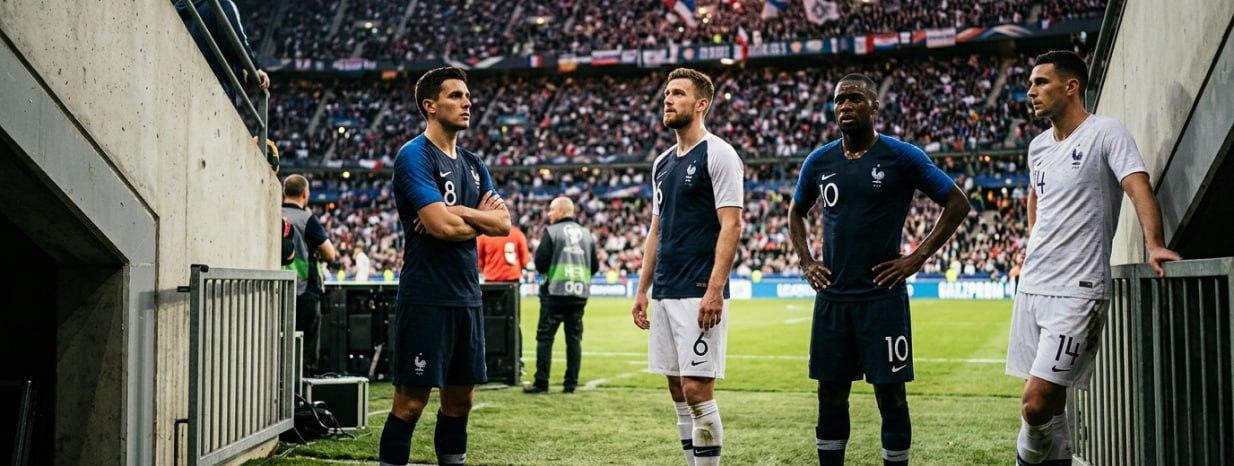
The players who would have actually sat out those competitions were not consulted before the proposal was made. They were not part of the emergency meetings that decided to boycott. They were not at the table when the plan was scrapped. FIFPRO, the global players union, released a statement on August 6 that noted precisely this: the FIFA Forward Enterprise proposal is gone. The abuse of power that produced it is not.
The biggest threatened boycott in football history happened around the players, not with them.
What FIFA Forward Enterprise actually was
FIFA Forward Enterprise was designed to separate the commercial operations of FIFA competitions from FIFA itself. The new entity would manage broadcasting deals, sponsorship rights, and commercial revenues for the World Cup and the Club World Cup. Private investors would hold minority stakes, giving them a financial return tied to the commercial performance of those competitions.
FIFA's stated rationale was development funding. The $20 billion raised would be distributed to FIFA's 211 member associations. Infantino was reportedly set to run FFE as commissioner, with a salary worth tens of millions, more than ten times his current pay.
UEFA's response was direct, calling the proposal irresponsible and indefensible and accusing FIFA of governance by intimidation: "This is not merely a profound failure of leadership, but an abdication of FIFA's duty as the custodian of world football."
UEFA's 55 members carry outsized weight. They represent six of the top ten teams in both the men's and women's world rankings. At the 2026 World Cup, UEFA teams made up six of the eight quarterfinalists and three of the four semifinalists. Spain won it. A World Cup without European teams is not a World Cup in any commercially meaningful sense.
Where the players were
FIFPRO's August 6 statement noted that the FFE proposal was conceived in secret and announced without any meaningful consultation with the players who would compete in the competitions it was designed to commercialize. This was not unusual. It was the norm.
The 2026 World Cup generated over $11 billion in revenue for FIFA. The athletes who played it had no formal vote when the commercial structure of the tournament was negotiated, when the broadcast deals were signed, or when the FFE proposal was announced. FIFPRO has consultative status in FIFA governance. It does not have a binding vote in the bodies that make decisions.
The UEFA boycott threat that killed the proposal was driven by federations protecting their own commercial interests in domestic leagues and competitions. The Premier League, La Liga, and Bundesliga compete with FIFA for broadcast windows and commercial attention. That aligned with player interests in this case. The alignment was incidental, not structural.
The governance structure that remains
Football's most commercially valuable product is created by athletes who have the least formal power of any stakeholder in its governance. Clubs have the European Club Association. Federations have membership votes. Broadcasters and sponsors have deal leverage.
Players have FIFPRO, which can release statements.
The FFE crisis was resolved by federations acting in their own interests. The outcome happened to align with player interests this time. Had the proposal threatened federation interests differently, the outcome could have been different. Players had no mechanism of their own to stop it.
What direct income changes
The reason players have so little leverage in FIFA governance is structural. Their income is tied to clubs and contracts, not to the commercial performance of the competitions they play in. An athlete who helps win the World Cup earns their club salary during the tournament, plus whatever the federation passes on. They earn nothing from the broadcast deal, nothing from FIFA prize money beyond federation discretion, and nothing from the commercial rights that make the tournament worth billions.
Athletes who build direct income relationships with their audiences operate partially outside that structure. They are not wholly dependent on institutions whose interests may or may not align with theirs.
That is the model Thravos is built on. Not as a solution to FIFA governance, which requires structural reform. But as a mechanism for athletes at every level to build income that does not depend on the decisions of institutions they have no vote in. Subscription channels, coaching, fan competitions, direct community. Revenue that flows between athlete and fan without intermediary layers that currently exclude athletes from the economics of what they produce.
The FIFA Forward Enterprise crisis was resolved this time. The underlying governance structure that allowed it to be conceived in secret and announced without player consultation remains in place. FIFPRO said it plainly: the proposal is gone. The abuse of power that produced it is not.
The players who make the World Cup the most commercially valuable event in sport will be back at the next one. Whether they have more say over the terms is a different question entirely.
Join the Thravos movement
Join the Thravos revolution! We’re building a vibrant community where everyone is welcome. Bring your friends, family, and even your neighbors! Together, we can create a healthier and happier future.
Get started today!
Follow us on social media: Stay connected with the latest news and updates on Twitter, Discord, and Telegram.
Disclaimer: This post may include forward-looking statements based on current expectations, plans, or projections. Actual results may differ due to various factors beyond our control. Readers are encouraged to conduct their own research and use independent judgment when interpreting the information provided. All content is for informational purposes only and should not be considered professional advice.